Remembering Barry Martin (1943-2025)
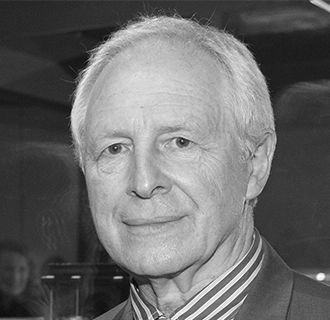
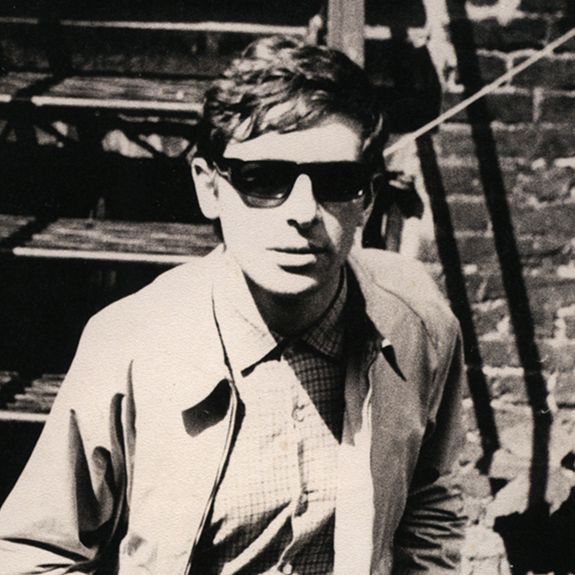
Born on 20 February 1943 in Amersham, Buckinghamshire, Barry emerged as one of the most original figures in British kinetic art. Educated at Goldsmiths College of Art and St Martin’s School of Art, he developed a practice rooted in movement, structure and time, placing him at the forefront of avant-garde art from the 1960s onwards.
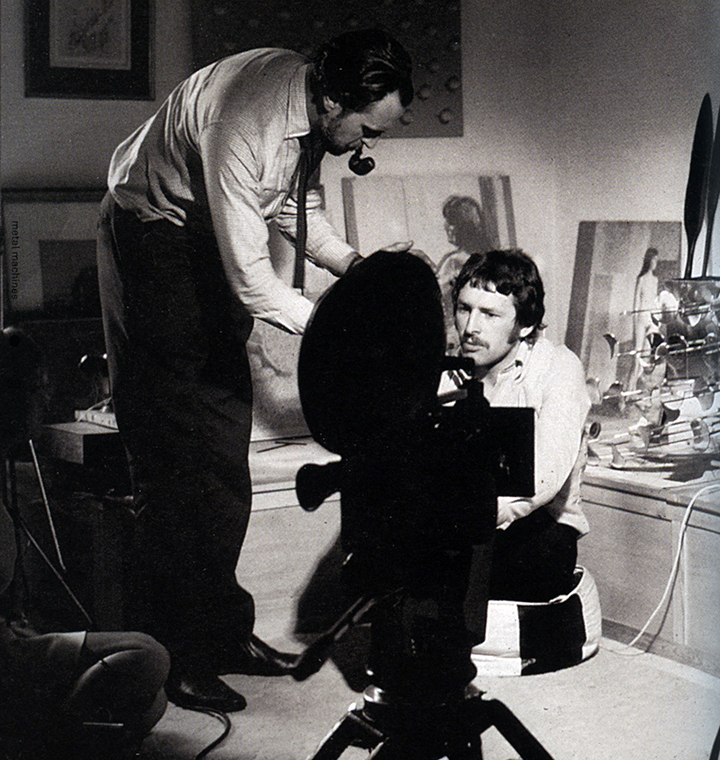
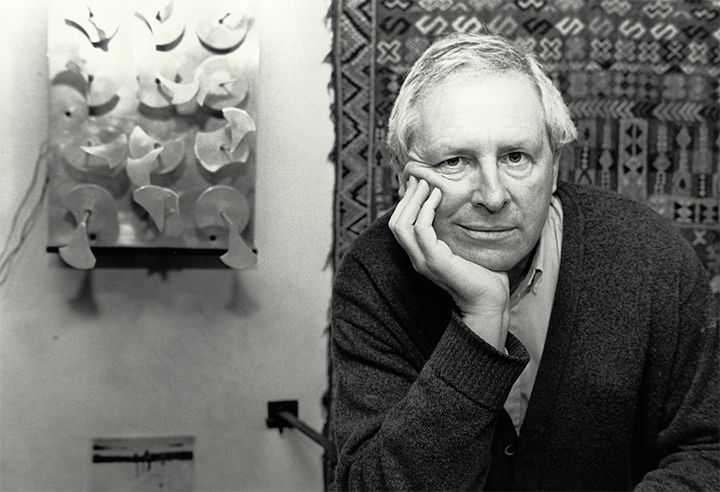
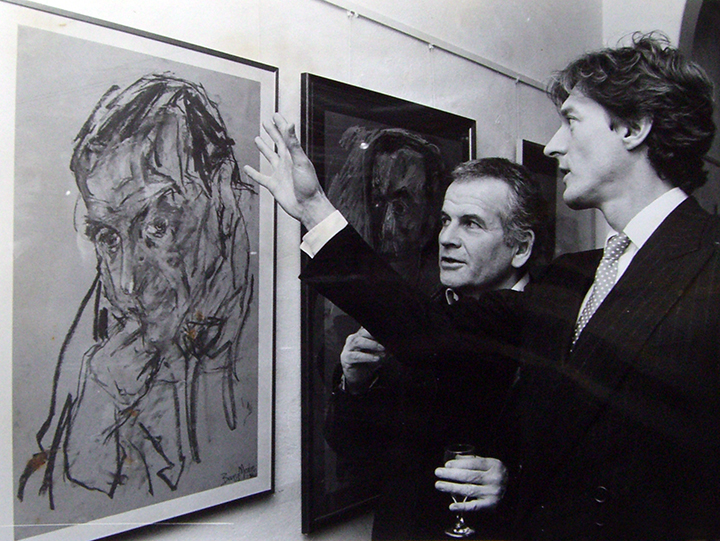
Barry’s work explored motion not simply as mechanics, but as philosophy. His kinetic sculptures, constructions, paintings and drawings — often combining steel, motors, light and rhythm — invited viewers to experience form as something alive and continuously evolving. His work is held in major public collections including the Tate, the Victoria & Albert Museum, the British Council and the National Portrait Gallery, securing his place within the canon of post-war British art.
Barry was also a highly respected teacher and mentor, holding teaching posts at the Royal College of Art, the Slade School of Fine Art, Goldsmiths’ College and the Royal Academy Schools. He was known for his intellectual seriousness, encouragement of independent thought, and generosity with his time and ideas.
Alongside his artistic career, chess was a lifelong passion and a serious intellectual pursuit. Barry was deeply engaged with the history and culture of the game and held a particular admiration for Howard Staunton, the great Victorian chess master, writer, organiser of the first international chess tournament, and Shakespearean scholar. Staunton’s synthesis of intellect, structure, design and cultural influence resonated profoundly with Barry’s own worldview.
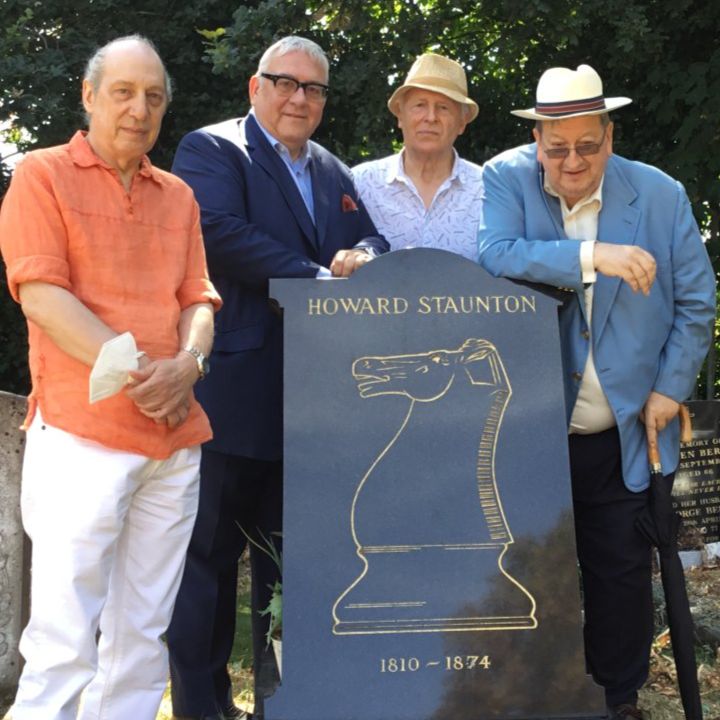
This passion found lasting expression through Barry’s central role in the Howard Staunton Society, founded in 1993 to honour Staunton’s legacy. Barry served the Society first as Honorary Secretary and later as Vice-Chairman, helping to shape its mission and direction over many years. He played a pivotal role in the Society’s most significant commemorative projects, including the creation of a granite knight-themed headstone at Kensal Green Cemetery, which he designed, finally marking Staunton’s previously unmarked grave. He was also instrumental in establishing a blue plaque in Notting Hill Gate, recognising Staunton’s contribution to chess and British cultural life. Through these acts of commemoration, Barry ensured that Staunton’s legacy would be properly recognised and preserved for future generations.
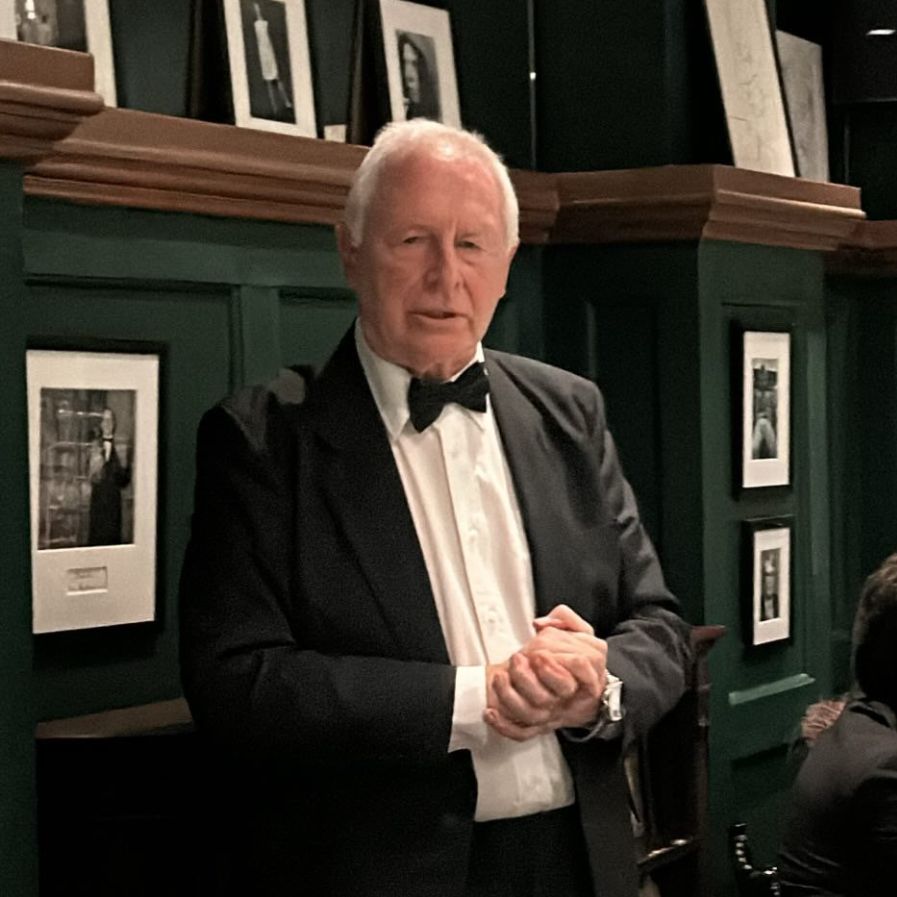
To friends, Barry was a man of warmth, wit and quiet brilliance — a stimulating companion whose conversation ranged effortlessly across art, chess, literature, philosophy and history. His influence extended far beyond galleries and institutions, living on in the many artists he guided and the friendships he sustained with loyalty and kindness. He is survived by his wife Sarah, daughter Jessie and family, and by a wide circle of friends who will miss him deeply.
Barry Martin’s legacy is one of movement — in art, in thought and in life. His work and his example continue to remind us that intelligence, curiosity and creativity endure.